01 / 04
The network listened for one tone.
Long-distance trunks in the old analogue phone network used a 2600 Hz tone to mean “idle”. Play it down a connected line and the far switch assumed the call had ended, then waited for new routing digits.
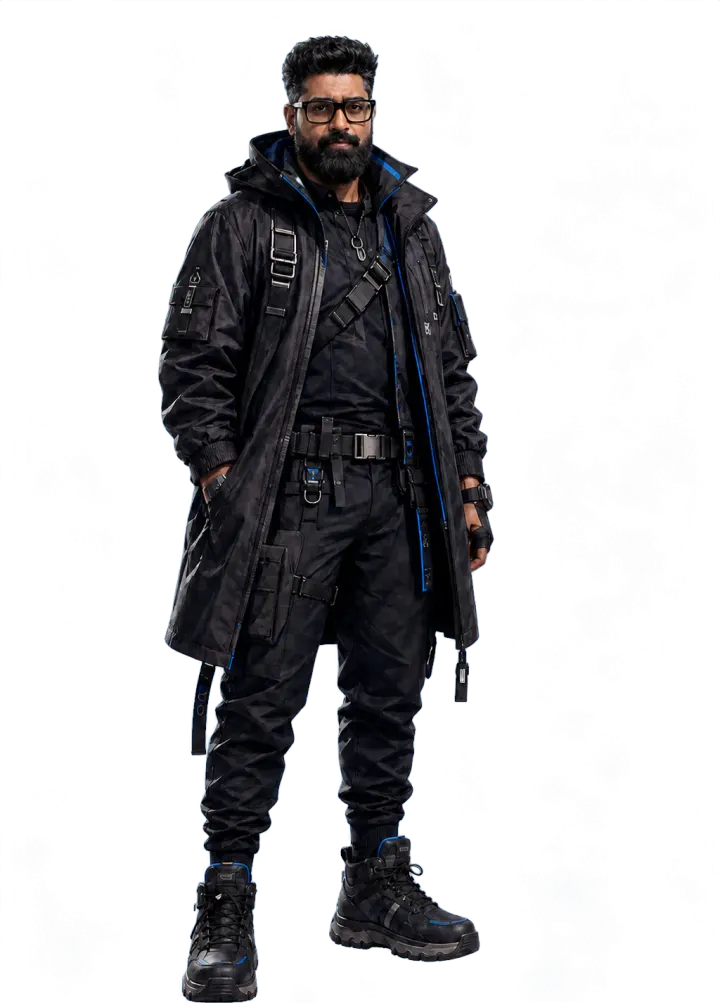
Pranshul Chandhokaka 2600th
I lead product and technology for Interior Company at Square Yards. Fourteen years across games, XR, design software and AI, and I still ship code on the side.
Locked
Drag off 2600 Hz to break the signal. Turn sound on to hear it.
01 Why 2600th
I was into computers and gaming from an early age, and the first console we owned was an Atari 2600. In college, between 2007 and 2011, I got interested in hacking and its history. A documentary on it led me to the phone phreaks, the Cap’n Crunch whistle, the 2600 Hz hack and Kevin Mitnick.
Skip the story, see the work01 / 04
Long-distance trunks in the old analogue phone network used a 2600 Hz tone to mean “idle”. Play it down a connected line and the far switch assumed the call had ended, then waited for new routing digits.
02 / 04
A toy whistle given away in boxes of Cap’n Crunch happened to hit 2600 Hz. Blown into a handset, it could seize a long-distance line, and one phreaker took the name Captain Crunch.
03 / 04
Phreakers built boxes that played the network’s own routing tones, two frequencies at a time. Understand the signalling and you could route a call anywhere. Carriers eventually moved signalling out of band, and the trick stopped working.
04 / 04
Kevin Mitnick started out as a phone phreak and became one of the most wanted hackers in America. Much of his access came from talking people into giving it to him. His story is a reminder that a system includes the people who run it.
Learn how a system actually works, people included, then make it do something new. Today the systems are rendering engines, design tools and AI models, and the job is turning them into products people can operate.
02 Selected work
Six systems I led or built, across design software, applied AI and immersive training. Tune a line to preview it.
03 Call log
How I got here, from shipping mobile games to leading product and technology. Each era sounded different. The longer version
2012–14
Square wave
Game programmer on mobile games, then cross-platform Unity at Merkur. I learned to care about how software feels on the device someone actually owns.
2015–21
Sine wave
Co-founded GreyKernel and led its technology for six years: immersive learning, enterprise training, games, and a patented humanoid robot control system.
2021–23
Sawtooth
Principal software architect on SpaceCraft Pro. Real-time 3D stopped being a demo and became part of pricing, CAD and manufacturing.
2024–now
Signal from noise
VP Product & Technology, Interior Company. Deciding where generation helps and where a product has to be exact.
04 Side channels
Things I build on my own to learn a technology. You can run all of them, and most come with source.
A free, open-source Windows player that runs any video through experimental DLSS 5 neural rendering and lets you compare every frame with the original.
Split, wipe, difference and loupe views show what the model changed. The project’s own documentation includes a frame where the model makes the picture worse.
Community project, not an NVIDIA product. The neural runtime is an unsigned community build; the README explains how to verify each file or supply the runtime yourself.
 Active
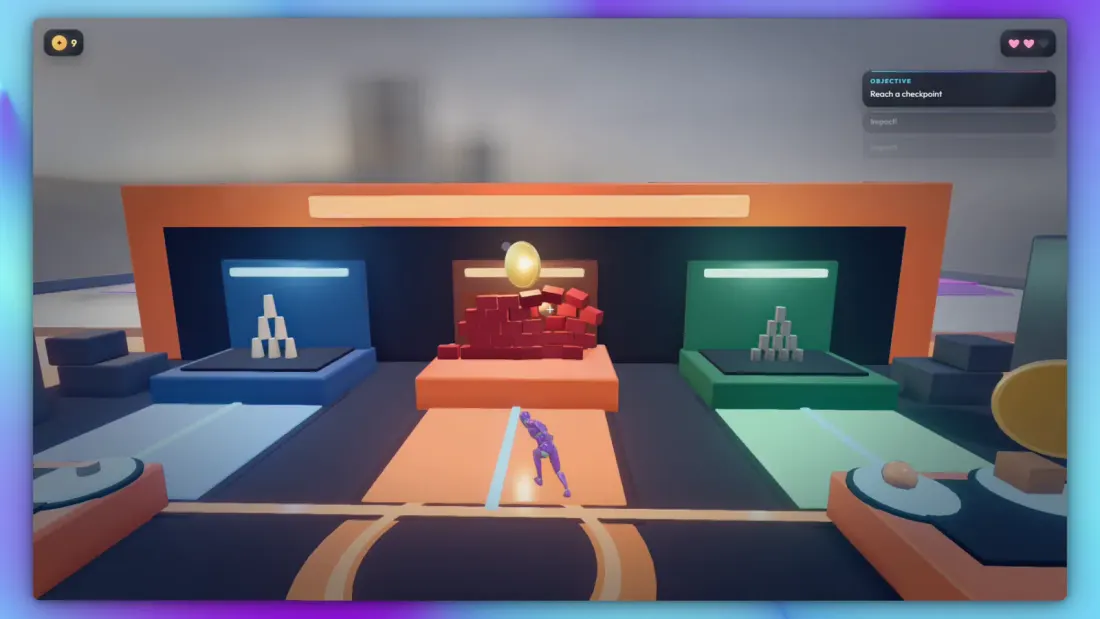
A third-person game and its level editor in one browser tab, written in TypeScript with Rapier physics.
An interactive ocean with weather and a boat to pilot. Sharing it exposed a texture budget I wasn’t measuring.
 Live demo
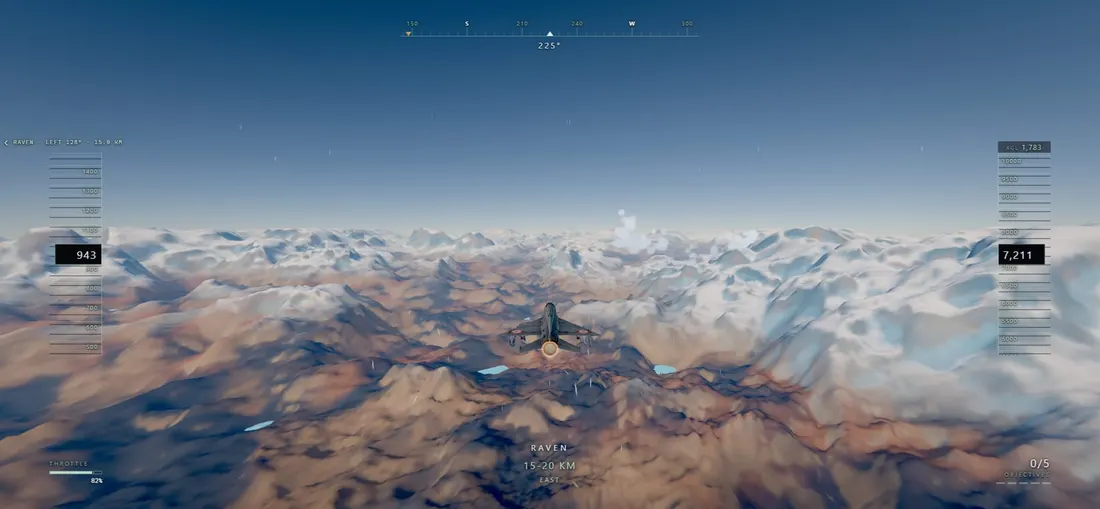
A fictional MiG-21 reconnaissance flight over procedurally generated Himalayan terrain, built and released in days.
 Live product
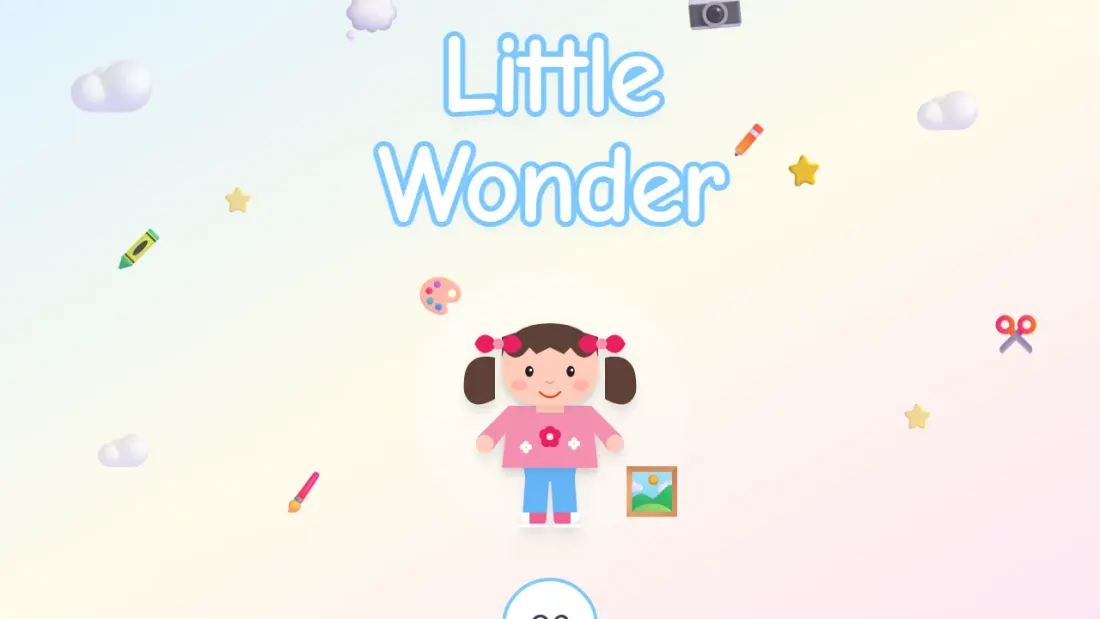
A storybook maker that turns a child’s picture and a story they choose into an illustrated book starring them, with a cover and a printable PDF.
05 Writing
Field notes, technical teardowns and essays, written while the work is still fresh.