ID Operator file
I learn by building.
I’m Pranshul Chandhok, VP Product & Technology, Interior Company at Square Yards. I’m drawn to ideas that sound interesting but might not quite work yet, and building something is how I find out. I work across AI and real-time 3D and stay hands-on with the software we build.
- Handle
- 2600th
- Building
- 14+ years
- Based
- Gurugram, India
01 Why 2600th
Two 2600s. One handle.
Pick a cartridge
Early on
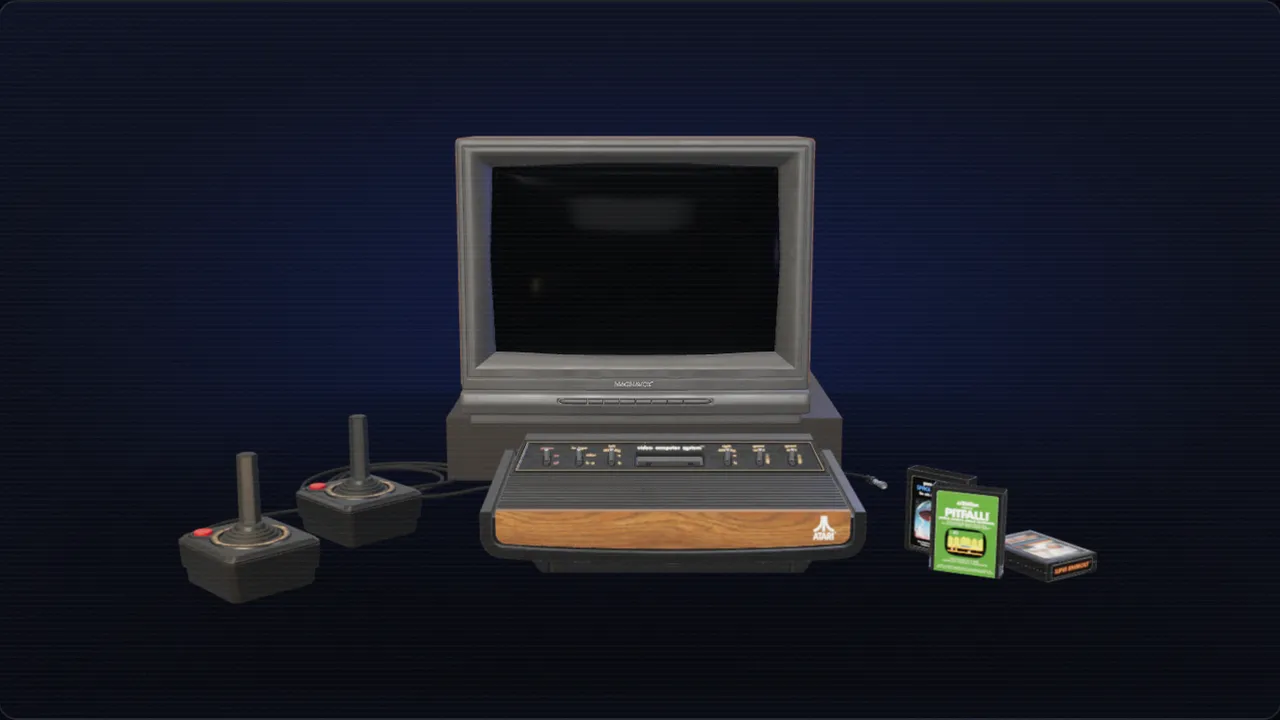
The first 2600 was a console.
I was into computers and gaming from an early age. The first console we owned was an Atari 2600.
2007–2011
The second was a tone.
In college I got interested in hacking and its history. A documentary walked through the phone phreaks: the Cap’n Crunch whistle that happened to play 2600 Hz, the tone long-distance trunks used to mean “line idle”, the blue boxes that spoke the network’s own routing tones, and Kevin Mitnick, who got much of his access by persuading people rather than breaking code.
The handle
The handle stuck.
I took 2600th as my handle in college and kept it, for the console we grew up with and the tone that once ran the phone network. The habit behind it stayed too. I like to learn how a system actually works, people included, and then make it do something new. These days that means rendering engines, design tools and AI models. The homepage tells it with sound.
02 Call log
How I got here.
2012–14
Game developmentStarting with games.
I started as a game programmer. Working on mobile games taught me to care about how software feels: the controls, the feedback, and whether it runs well on the device someone actually owns. Later, at Merkur, I worked on cross-platform Unity development.
2015–21
Co-founder and CTOBuilding GreyKernel.
I co-founded GreyKernel in 2015 and led its technology work for six years. We built immersive learning systems and games, helped set up JPMorgan Chase’s Mumbai immersive lab, and developed training software for Anglian Water. I also learned how much of a founder’s work happens outside the code.
2021–now
Product and technologyWorking on design software.
At HomeLane, I was principal software architect on SpaceCraft Pro. Today I lead product and technology on Blocks, working with our product, engineering and design teams. I also lead Designesto, which is for exploring and revising designs visually; deeper costing and execution integration is still on the roadmap. Separately, I built the initial PropVR AI MVP, which PropVR’s Technology team developed into Craft. Outside work, I keep experimenting with browser graphics, games and local AI.
03 Toolchain
Tools in use.
- Game engines
- Unity for cross-platform games at Merkur and for the enterprise XR training and simulation work at GreyKernel.
- Browser graphics
- TypeScript, Three.js and WebGPU in Web Ocean 3D, with KTX2 textures keeping its download in budget. Kinema uses Rapier for physics.
- Applied AI
- OpenAI and Gemini for floorplan interpretation, with ComfyUI for repeatable image and video experiments.
- Product prototypes
- My stack for the initial PropVR AI MVP, which PropVR’s Technology team went on to extend, included Next.js, Tailwind CSS, AI SDK and fal.ai.
04 Patent
Humanoid Robot Control System
At GreyKernel, I co-invented a system for controlling a humanoid robot using tracked human movement. Indian Patent No. 395331 was filed on 14 February 2019 and granted on 25 April 2022.
My co-inventors are Abhishek Gupta, Devesh Kumar Singh, and Tej Pratap Singh. GreyKernel Technologies India Pvt Ltd holds the patent.
05 Operating rules
How I work.
My work moves between product direction, technical architecture, prototypes and implementation. Sometimes I’m building the first version; sometimes I’m helping a team decide how the system should work and carry it into production. Each Work page describes my role and the people who took it forward. The Lab is where I try an idea on my own, inspect the result and share the code.
- Try the idea.I often build a small prototype to answer a question. It gives the team something concrete to discuss.
- Stay close to implementation.I test tools and read their code before recommending them, mostly to find out where they fall short.
- Pay attention when it breaks.Slow responses, memory limits, and confusing controls tell me where more work is needed.
- Use AI where it helps.Sometimes a deterministic rule or a database query is the better choice. Some decisions still need a person.
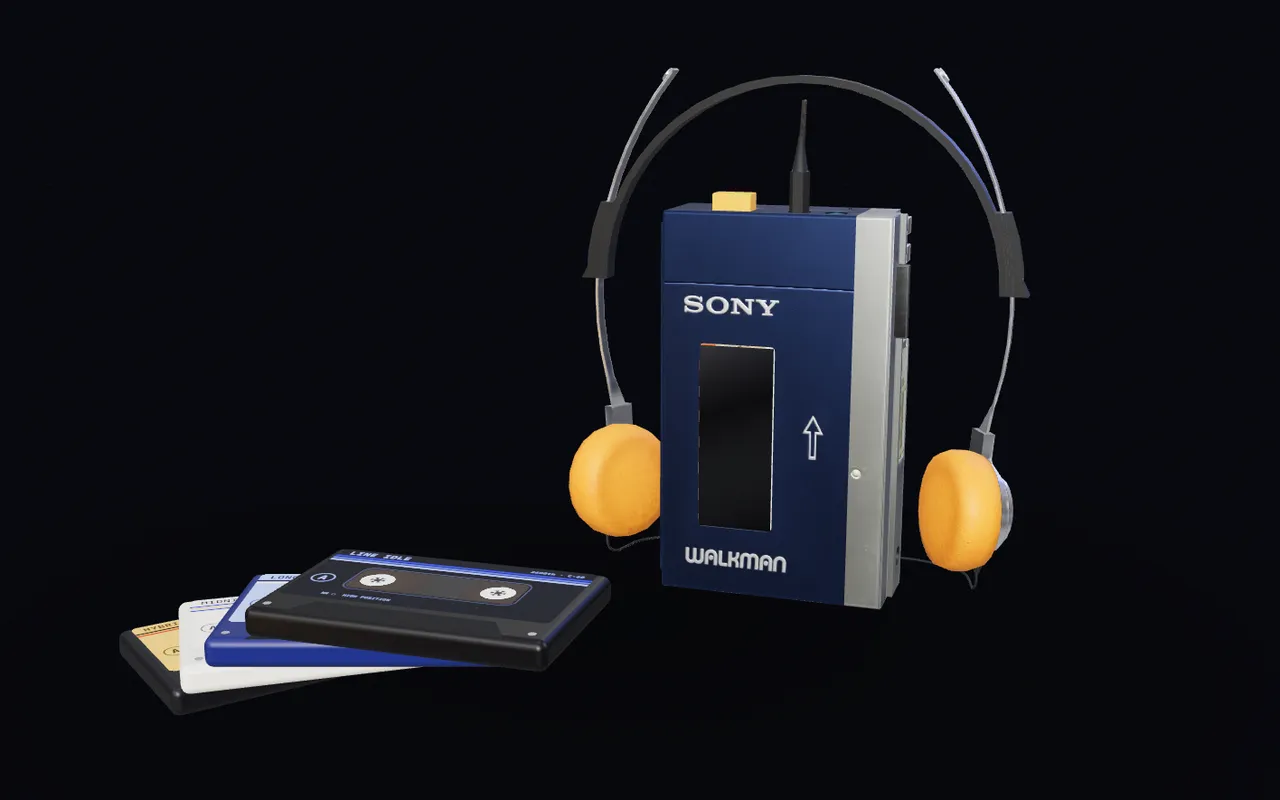
Side A was the work. Side B is the music: two Linkin Park tapes, one of rock classics and one of the site’s own phone-line tones, played on a Walkman.